
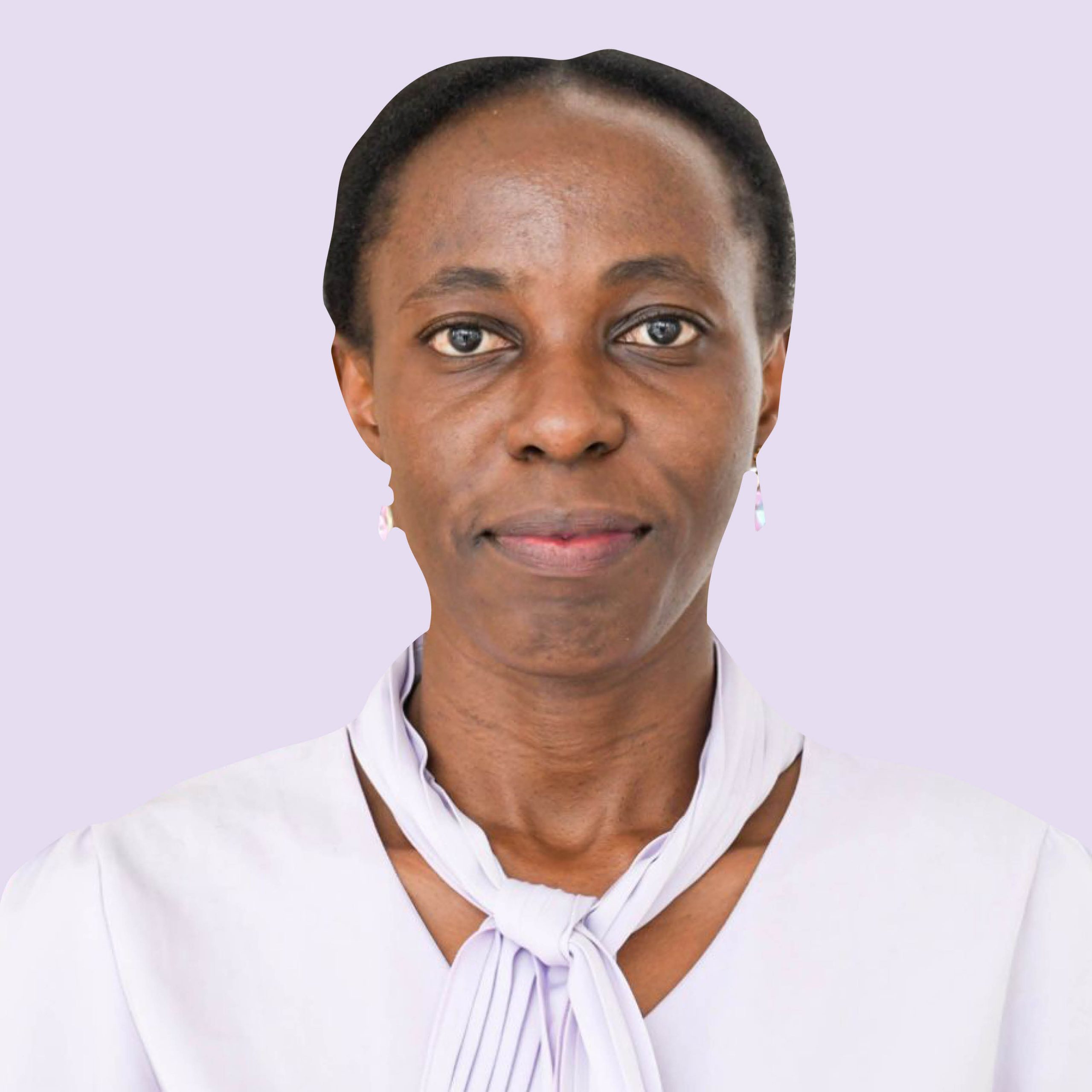
When Brenda Ouma graduated with a degree in Political Science and Sociology, she found herself at a professional crossroads. She had a strong foundation in governance, policy, and social analysis, but was uncertain whether her training had a place in health research. What she did not yet realise was that these very skills were critical to strengthening health systems across Africa. That bridge came in 2023, when she joined the Initiative to Develop African Research Leaders (IDeAL) Postgraduate Diploma (PGD) programme.
The IDeAL Programme is a multidisciplinary, multi-disease research and capacity-building initiative hosted by the KEMRI-Wellcome Trust Research Programme. It is dedicated to developing the next generation of exceptional African scientists by equipping them with the skills, mentorship, and opportunities needed to become world-class research leaders. For Brenda, IDeAL offered something she had not previously seen clearly for herself: a pathway where social science expertise could meaningfully shape health systems and policy research on the continent.
Brenda joined the programme with honesty about her fears. She describes stepping in “scared,” unsure if she truly belonged in a research environment traditionally dominated by biomedical pathways. Instead, she encountered a structured and supportive ecosystem intentionally designed to identify potential, build confidence, and nurture African researchers at the earliest stages of their careers. Through close mentorship from experienced scientists including Dr. Jacinta Nzinga, Dr. Benjamin Tsofa, and Daniel Mbuthia, Brenda began to see how social science perspectives are not peripheral, but central to understanding health systems, policy design, and governance outcomes.
The PGD’s combination of rigorous coursework, hands-on research exposure, career guidance, and personalised mentorship proved transformational. It strengthened her technical research skills while also building her confidence to contribute meaningfully within multidisciplinary research teams. In line with the DELTAS Africa mandate, the programme supported her growth within African-led research environments, providing access to mentorship, networks, and institutional support rooted in local and regional health priorities.
One of Brenda’s proudest milestones during the PGD was publishing her first manuscript as a lead author, available on Wellcome Open Research (https://wellcomeopenresearch.org/articles/10-397). For her, this achievement represented more than academic progress. It was a moment of affirmation that confirmed her place in research and her ability to generate evidence that can inform real-world decision-making and policy conversations.
This milestone enabled a smooth transition to Strathmore University Business School, one of IDeAL’s partner institutions, where Brenda continues to strengthen her research, policy analysis, and leadership skills within a regional academic network committed to evidence-informed decision-making.
Today, Brenda is an early career health systems and policy researcher contributing to work that informs health workforce policy and governance. Under the guidance of scholars such as Dr. Jeremiah Nganda and Prof. Frank Wafula, she has been involved in research that strengthens the connection between evidence, policy formulation, and implementation across the region. Her work reflects DELTAS Africa’s commitment to building African researchers whose outputs respond directly to local challenges and contribute to stronger, more resilient health systems.
Reflecting on her journey, from a fresh graduate uncertain about her place in health research to a confident, emerging expert, Brenda sees her story as a clear expression of IDeAL’s mission: to develop African research leaders through targeted training, sustained mentorship, and exposure to world-class research environments based on the continent.